As a former energy drinker during my early high school years, I sympathize with those still bound to the tight hold of caffeinated beverages, whether it be from the convenience of “energy in a can” or just the struggle of staying engaged during the school day. I often was drawn to energy drinks during finals season when my brain and exhaustion levels were at different paces. The extra support helped me push through my coursework with ease, or so I thought. I soon realized that the crash that quickly followed the boost of caffeine was not worth it. Likewise, many other teens fall victim to the appeal of energy drinks without fully realizing how they can corrupt health and education.
Often marketed to teens through colorful cans, bold flavors, and social media, energy drink consumption is through the roof among adolescents. Social media plays a huge role in that. Targeted digital campaigns, influencer sponsorships, and viral promotions on platforms such as Tiktok and Instagram allow energy drink brands to integrate their products into the daily algorithms of teen consumers. This deliberate marketing technique makes it harder for teens to break bad drinking habits when heavily influenced by companies. I personally know peers that have to have the newest flavor of energy drinks just because it’s highly promoted and “popular” at the time.
Some students mention trying all different drinks, like McKenzie Stewart from Harlan High School.
“I tried every type of Monster energy, Redbull, and Alani so I could find my favorite and also because it seemed fun,” Stewart said. “I’m currently trying all the new Bloom energy drinks as well.”
Another Harlan High School student, Natalee Taylor, said she often drinks two energy drinks a day during the school week, sometimes adding energy additives like Redbulls and Alanis to her beverages from a local business, The Frosty Flamingo.
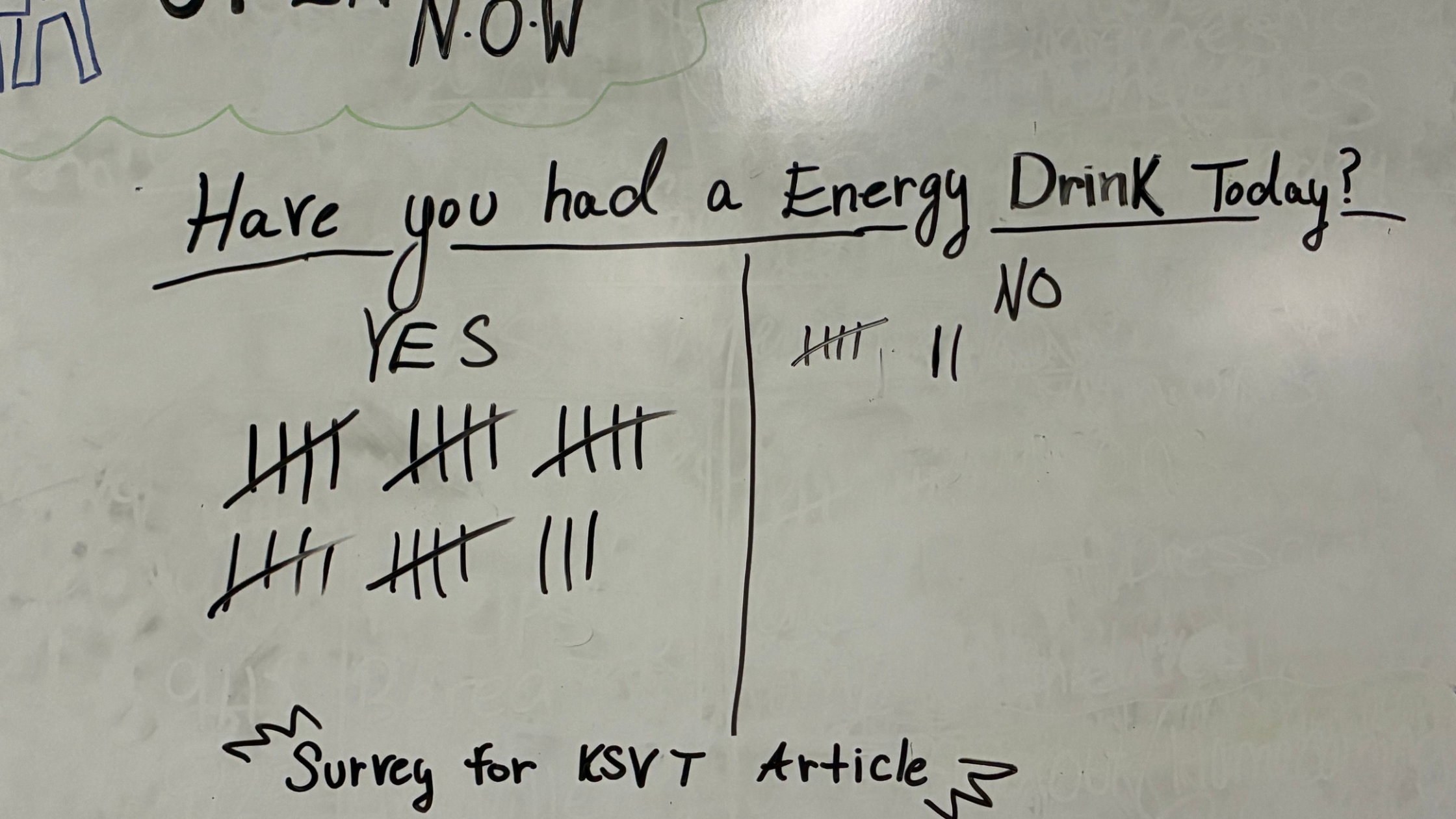
While walking the halls of my school, Harlan High School, for an entire week, I saw a total of 27 caffeinated beverages being consumed before the first bell at 8:15 AM. I also created a survey, where a total of 28 students voted “yes” to having a caffeinated beverage during the school day that week, out of a total 35 participants.
When speaking to faculty members from my high school about their experience with student energy drink consumption, Harlan High School Spanish teacher, Dr. Weiner, had passionate views.
“Stop wasting money on something that damages your health — be smart,” Weiner said.
To Weiner’s point, this new crave culture can be oncerning, as energy drinks can become addictive by the day due to their high amounts of caffeine and sugar. Over time, these beverages integrate themselves into students' daily lives to the point where functioning needs the aid of extra caffeine. Ultimately, the combination of potentially disrupted sleep, increased anxiety, and heart problems outweigh any temporary boost in stamina a fruity drink can provide.
On the other hand, a new initiative enforced by Pineville Independent Schools included the banning of all unopened or opened energy drinks on campus. According to reporting from the Lexington Herald-Leader, administrators said the drinks create health issues, causing symptoms like anxiety and chest pain in students.
Some students, however, disagree with this new policy.
“I hate that they banned energy drinks because they expect us to be engaged in the morning, but I’m extremely tired,” said Ceila Amaya, a student at Pineville High School.
“Plus, they are allowing teachers to still have them, which I think is unfair,” Amaya said.
But in my opinion, Pineville Independent Schools’ stance represents a meaningful step towards eliminating teen caffeine dependency by actively protecting student health directly within the classroom. By acting as a practical example, this initiative can easily be replicated in other Kentucky school districts in order to foster healthier school environments.
Beyond complete bans, other policies that show promising results include restricting energy drink sales in campus vending machines, offering free nutritional workshops, or limiting caffeine advertising during athletic and extracurricular events.
These contrasting approaches highlight a striking divide across Kentucky public schools regarding student energy drink consumption. Depending on their school’s policies, teenagers across the state continue to experience different daily environments, ranging from total access to energy drinks to strict regulation, despite facing the exact same health risks.
While the appealing concept of energy drinks often attract teenagers in order to counter fatigue and busy schedules, their high caffeine and sugar levels present serious health risks to students.
All of this combined takes away from what should be teenagers' main focus: education. In order to protect adolescent health, it is important for educational administrations to stop consumption at its peak by regulating energy additives and caffeinated beverages in schools. Outside the classroom, social media companies and brands need to be held accountable for marketing to young people under 18. The consequences of energy drink overconsumption are rising among teens, but through deliberate prevention, they do not have to be permanent.
Rihanna Montanaro is currently a Senior at Harlan High School and contributes to KSVT as a reporter for its Rural Reporting Cohort. She is passionate about STEM and youth leadership, helping young girls in her community gain confidence within STEM professions. Rihanna is also actively president of her school’s FBLA, and a competing member of Future Problem Solving. In her free time, she loves painting banners, participating in her school’s fire pit, and scrapbooking her high school memories.